Whitley Penn Talks: A Crude Bit of Humor - From Disclaimed Heirs to Missing Money: Tales from the Title Trenches
Whitley Penn Talks: A Crude Bit of Humor - From Disclaimed Heirs to Missing Money: Tales from the Title Trenches

02/12/2026
Family folklore, questionable signatures, and courtroom surprises, this episode takes a fascinating look at how title defects, probate complications, and estate planning mistakes can expose mineral owners and operators to significant risks.
In Part Two of our Crude Bit of Humor series, title attorney Mellisa Gardner of Ball Morse Lowe joins Buffie Campbell and Coby Nathanson to walk through real‑world scenarios where family dynamics, decades‑old documents, and unclear intent collide, often with complex and costly outcomes.
Whether you work in oil & gas, manage mineral interests, or simply want to prevent avoidable legal challenges for your family, this conversation offers practical insight you won’t find in a textbook.
What you will learn:
- How seemingly harmless “family stories” can escalate into serious legal problems
- How risk is evaluated when the title isn’t perfectly clear
- Common estate planning missteps mineral owners make
In oil and gas, the past has a way of resurfacing. Old deeds, missing heirs, and long-forgotten interests can come back to haunt a project, especially after a merger, acquisition, or divestiture.
Ball Morse Lowe is a leader in oil, gas, and energy law, delivering trusted, thoughtful title opinions and curative solutions that bring clarity to complex ownership.
We understand tight timelines and the need for certainty – moving your projects forward with speed and precision
Ball Morse Lowe. Excellence from the ground up.
Learn more at ballmorselowe.com.
Listen to this episode on Spotify or Apple Podcasts. Click here to view the episode transcript.
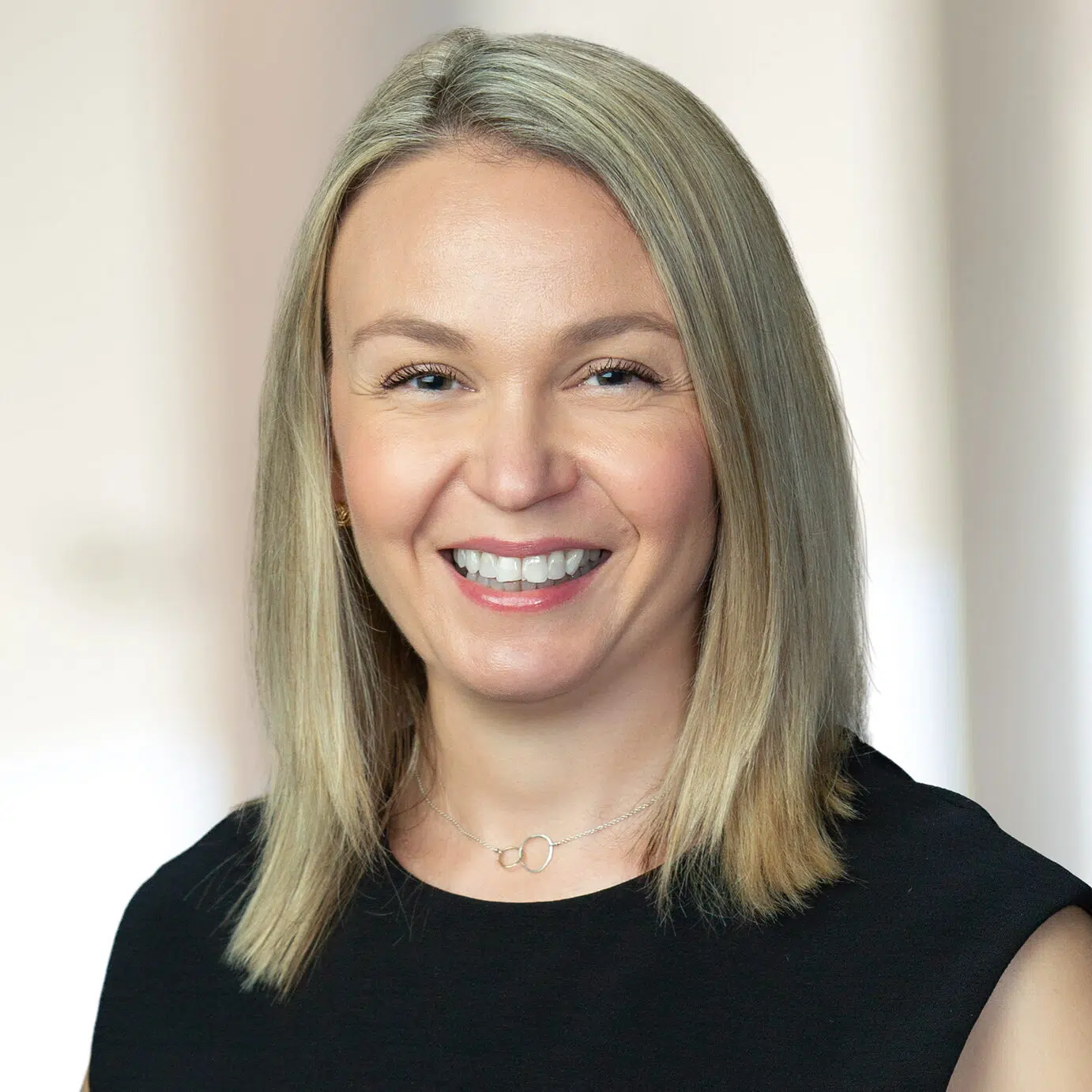
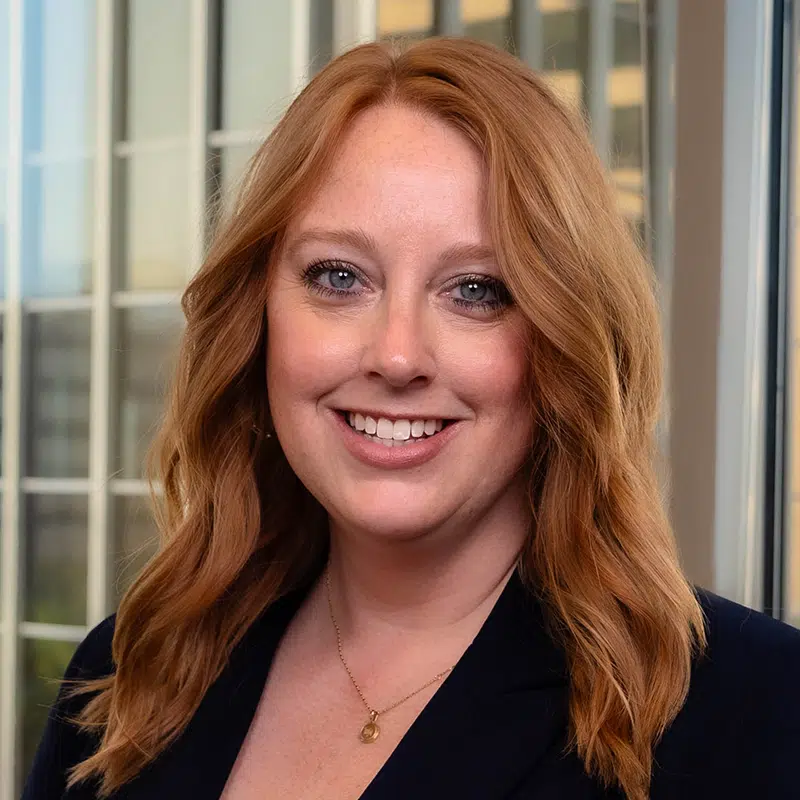

Melissa Gardner
Senior Attorney, Ball Morse Lowe
02/12/2026
Family folklore, questionable signatures, and courtroom surprises, this episode takes a fascinating look at how title defects, probate complications, and estate planning mistakes can expose mineral owners and operators to significant risks.
In Part Two of our Crude Bit of Humor series, title attorney Mellisa Gardner of Ball Morse Lowe joins Buffie Campbell and Coby Nathanson to walk through real‑world scenarios where family dynamics, decades‑old documents, and unclear intent collide, often with complex and costly outcomes.
Whether you work in oil & gas, manage mineral interests, or simply want to prevent avoidable legal challenges for your family, this conversation offers practical insight you won’t find in a textbook.
What you will learn:
- How seemingly harmless “family stories” can escalate into serious legal problems
- How risk is evaluated when the title isn’t perfectly clear
- Common estate planning missteps mineral owners make
In oil and gas, the past has a way of resurfacing. Old deeds, missing heirs, and long-forgotten interests can come back to haunt a project, especially after a merger, acquisition, or divestiture.
Ball Morse Lowe is a leader in oil, gas, and energy law, delivering trusted, thoughtful title opinions and curative solutions that bring clarity to complex ownership.
We understand tight timelines and the need for certainty – moving your projects forward with speed and precision
Ball Morse Lowe. Excellence from the ground up.
Learn more at ballmorselowe.com.
Listen to this episode on Spotify or Apple Podcasts. Click here to view the episode transcript.


Coby Nathanson
Senior Manager – Land Administration
Buffie Campbell
Managing Director – Mineral Management
Melissa Gardner
Senior Attorney, Ball Morse Lowe


Get new episodes straight to your inbox
Get new episodes straight to your inbox
You might also enjoy...
Episode Transcript
Kendall Neukomm (00:00)
Hi everyone, welcome to Whitley Penn Talks where we give you valuable insights to help you make confident, informed decisions and move your business forward. My name is Kendall Neukomm and today we are back with a Crude Bit of Humor focused on title issues and estate planning for mineral owners. And this is actually part two. Part one was released on the channel. So if you haven’t listened to part one yet, make sure you go back and do that. Not required, but encouraged.
We have the same group here from part one. So we’ve got Coby Nathanson, have Buffie Campbell, and we have our guest, Melissa Gardner. Welcome back, everyone.
Buffie Campbell (01:35)
Thanks.
Coby Nathanson (01:36)
Thank you.
Kendall Neukomm (01:36)
Awesome. Well, we kind of left part one on a bit of a cliffhanger so we can dive in. And we were talking a little bit about ⁓ probates and we were talking about, I lost my train of thought there. ⁓ Juicy, yeah, okay. Last episode we were talking about juicy bits of gossip that Melissa has found out in probate hearings and probate proceedings. So Melissa, what is the juiciest bit of gossip that you have found out?
Melissa Gardner (02:08)
I used to teach a corporations class at the law school here in town and I would start every story about a lawsuit involving a company breaking up by being like, can you believe that like brothers and sisters didn’t get along when they started their business? Like, isn’t that shocking that they didn’t get along? And I feel like that thought came because of the probates that I had seen. I have been shocked at how much people have fought over things that just don’t matter. ⁓
Buffie Campbell (02:27)
Yes!
Melissa Gardner (02:35)
It’s never about the toaster. You know, have you guys heard that from like a family law or probate attorney? Like we’re fighting over the toaster and it’s never about the toaster. So in title, we see a bunch of stuff. ⁓ I would tell you they probably fall into a couple of different buckets. One is someone who engenders themselves to a family member, maybe later on in life and persuades them to do some stuff with their assets that they wouldn’t have had they had their full capacity. So I’ve definitely had some juicy gossip where like grandpa will three days before he passes away convey all of his minerals to one of the grandchildren. We have a rule of thumb amongst title attorneys that if the signature on a document is so shaky that you can’t read it, you should probably take note of that.
So that there, there’s been a large number of documents and instances in that bucket where it’s like, that’s interesting. This family has more than one grandchild and they’re skipping a generation. Like what’s happening there again, back to episode one and talking about title opinions. I’m still going to pass it. If the document hasn’t been challenged and it’s a record and on its face, it’s valid, but it is just something to like, keep note of in the back of your head, right? Like it’s color to the story when things like that happen. But my juiciest bit of gossip, and I wish it were more recent. I wish it were more current than this. I was working at Chesapeake at the time. I just started running title and I had a court proceeding from the 1940s and I took it upon myself to print it out because it was a hundred years ago so I printed it out and I passed it around to everyone in my office because it was a judicial determination of death for a husband who had abandoned his family and they didn’t know where he was or that he was actually dead, but they were having him judicially declared dead so that the woman could like sell the house or do whatever she needed to do for the house, probate that. mean, whatever she needed to do. Cause again, in the forties, she didn’t have a lot of options. She was a stay at home mom, didn’t have a way to support her kids. And all of this is in the probate proceedings.
But my favorite part was he left town and after like a long period, like 15 years or whatever, the judge judicially declared him dead. Again, did that have anything to do with my title opinion? Absolutely not. I can certainly rely on a judicial order from the 1940s and not worry about any kind of risk to my client. But I think about that every once in a while. I wonder if that’s why I’m still single.
Buffie Campbell (05:20)
I wonder how many children he had that could have been listed as heirs that they didn’t even know about. Fascinating.
Melissa Gardner (05:25)
I mean, it was shocking.
Kendall Neukomm (05:26)
Right.
Melissa Gardner (05:28)
It was like genuinely shocking. We have all kinds of stories that go around about like we have a Slayer statue in Oklahoma and I think you guys have a similar one in Texas that if someone was to inherit everything but they are responsible for the death. Like we can’t, I’ve definitely had probates where we had to give notice to an heir and the heir was in prison somewhere. I mean, one that I had not all that long ago, we had an heir that we had to give notice to and he was in like a treatment facility.
I had, this is a true story. had ⁓ a client, a family that was a client. I was working on a probate and I had a drop box that I was sharing all the documentation with everybody. And one of the siblings called me and said, you cannot do that because I don’t want my brother to be able to have contact with me. And I was like, it’s a public drop box. And she’s like, no, no. So I had to have a separate drop box for one sibling versus the other siblings. So that is definitely the juiciest gossip. ⁓
Kendall Neukomm (06:22)
I mean the family dynamics, that’s so interesting to see bits and pieces of that perspective in others’ lives. Very interesting. ⁓
Buffie Campbell (06:26)
Yeah. From the mineral management perspective, we see that a lot, which is always fascinating. And I’ve had multiple times where I’ve had to tell family members that have called in because dad died and expecting to get a percentage of those minerals. And it was like, dad left everything to your stepmom. Sorry. ⁓ Exactly. Yes. There’s nothing there for to go through. Yeah. So it’s always a fascinating time, but
Buffie Campbell (07:00)
Melissa, a couple years ago, we got to work together and it was probably one of the funnest things I’ve ever done. And we had, was a mineral management client that had a massive title issue because of family folklore. And that was what was in the documents. The whole court petition was based on family folklore. ⁓ No quotes needed. It was literally there. Yes. Yes.
Melissa Gardner (07:03)
We sure did.
Kendall Neukomm (07:25)
Did it say family folklore?
Melissa Gardner (07:25)
There was a PowerPoint presentation, guys.
Kendall Neukomm (07:28)
Wasn’t just like a story that had been passed down. They were claiming family folklore as the, wow.
Buffie Campbell (07:32)
Folklore. Yes.
Which is probably one the most fascinating stories I have because it went to court. They actually litigated based on this and it was one of those where me and Melissa sat in a mediation and I got so upset in the middle of the mediation I started yelling at the mediator coming in and out. So I got very passionate about it because it was like this doesn’t follow any rational law at all. Yes.
Melissa Gardner (08:00)
We’re both redheads, so I’m sympathetic.
Buffie Campbell (08:04)
Yes, but I ended up leaving the firm I was at before there was a finalization. So just without giving too much information on that, like what happens with family lore being in this situation?
Melissa Gardner (08:15)
Now that’s a great thing to bring up, Buffie, because I will tell you, in Oklahoma and in Texas, there is ⁓ an understanding, stated and unstated law. If something is confusing in a document, if something is contradictory, even on its face, it doesn’t make a ton of sense. I’m giving all my interest to these two people equally, and then below, I list one of them with three fourths and the other one with one fourth, right? Even internally, there’s confusion. The rule of interpretation is you rely on the intent of the parties.
Like that is what you try to figure out what they were trying to do. If there’s any evidence extraneous to that that tells you what they meant to do, then you make that leap. You write a common requirement. Again, you explain to people what the risk is of that, but that’s the direction that you go. So that case is a perfect example of what happens if the intent of the two parties is not the same, right? So this was, this involved two lines of the same family. They were brothers and these were like maybe three generations after that.
Like it was generations past that and one side of the family had been told one thing and one side of the family had been told a totally separate thing. So if you asked either matriarch or patriarch of that side of their family the intent of the parties was very different and so that couldn’t be anything that was used to figure out the difference.
This is totally an aside. That’s the only time I’ve ever argued a case in front of a judge. And I won the hearing where I argued in front of the judge. So I’m like batting a thousand. I’m going to keep it at that. The opposing attorney also called me honey. So small town, Oklahoma, really coming to, I mean like in court in the hearing and the judge who was closer to my age said, we’re not, we’re not going to do that here. And I was like, thank you.
Kendall Neukomm (09:50)
Nice!
Buffie Campbell (10:05)
Love it!
Saving it for you! ⁓
Melissa Gardner (10:07)
But anyway, it involved a whole lot of personalities and a whole lot, again, very important families in the state of Oklahoma and the state of Oklahoma history. I think what ended up happening was that everybody realized they were spending the money that was being held in suspense by oil and gas companies on attorneys. And so I believe that they just came to a settlement. I think that’s one of those situations where they’re truly entitled. This happens all the time. We have a 50-50 situation.
If you showed it to 10 attorneys, five of them would understand it one way and five of them, five good attorneys. There are lots of times where we have to, that is part of our job. That’s the risk, again, back to risk. That’s the risk that we take on. I need to be able to explain to you why it’s 50-50 and what tipped me on one side, but also tell you what the outcome would be.
If the other side was right and I wasn’t. In that situation, there was no one alive who was part of those original documents. So no one could tell us what the intent of those parties were. There was plenty of evidence, I think, on both sides. The oil and gas company, because of someone like me, said we’re not going to release these funds because there’s too much risk involved. And I think they just realized that attorneys are too expensive to keep going and get an answer. Unfortunately, this is one of those cases that Coby was talking about in episode one. I wish we had a hard law about that.
Buffie Campbell (11:26)
Yeah.
Melissa Gardner (11:26)
There is a part of me that wishes that would have that case would have gone to conclusion because I would like to know what the answer is. Ultimately, the answer is we’re paying the attorneys too much money and we’re going to settle this. Happens like. It’s like 98 % of the time or something like that. Yeah, that’s right.
Buffie Campbell (11:39)
That happens a lot, yes.
Coby Nathanson (11:40)
That’s always the answer. We’re sharks and bloodsuckers.
Kendall Neukomm (11:44)
It’s fun to fight at first and then you realize you’re down the line and you’re like, how did we get here and why are we writing these checks still? ⁓
Coby Nathanson (11:53)
Well, and I think it’s interesting because I think part of the discussion for this episode is talking about risk. And I like Melissa’s distinction of it’s a spectrum. Right. So I think for for folks who may not be 100 percent familiar with what we’re talking about with the risk, generally speaking, would it be great if we had 100 percent clear title in the 640 acre that we’re drilling in? Yes. Is that the world we live in? Nope.
Melissa Gardner (12:25)
Would that be good for my job security? Probably not. But otherwise, yeah, great.
Coby Nathanson (12:31)
Well, that’s I like that that concept of the spectrum because so I think more so from my perspective being in land admin and division order, if I’m looking at it and I’ve got let’s say this five acre tract that’s not in my well bore path, but I still want to do you know, I really want to impress you because you’re an attorney too. So I want to be like the rule of capture and all that stuff. It’s so horrible.
Melissa Gardner (12:58)
I’m gonna Google that over here on this side. Next.
Coby Nathanson (12:59)
My ego is fragile. But it’s like, so we talk about this and it’s like, if it’s that five acre tract over there that I’m only draining it, for lack of a better word, I’m not going to worry about that one so much. And as an operator, I might say, look, y’all go figure it out in the courts. We’ll have it, we’ll keep it. And if we need to pay it into the courts, cool, we can do that.
It’s not the big thing for us that if it’s more so this is a drill site path and I think Kendall to help explain it’s like if I’ve got the line of well the where well bore is going is it actually traversing under the ground? That’s my big risk. That’s the stuff that I want to pay attention to. but then at the same time, wait, like he had to be declared judicially dead because he was a scoundrel? Yes, absolutely. I’m going to pass that around to the team 100%.
Melissa Gardner (13:55)
Yeah, yeah, yeah, absolutely. Of course, I mean, I didn’t bill any client for passing that around, but I did enjoy it. Well, to your point, also, I know most of my clients, they all understand that relying on an affidavit of death and airship, especially before it’s been a record for less than 10 years, if it is below a certain dollar amount, they’re probably gonna accept it. If it’s above a certain dollar amount, if it’s on their pad side, if it’s in their wellbore tracks, then maybe they’re not gonna rely on it. ⁓ If they know that it’s a litigious family in the area, maybe they’re not gonna rely on it. So, I mean, it can be very granular, the risk assessment, or it can be really general too.
Coby Nathanson (14:40)
Yeah. No, I think that’s a really good point. ⁓ So then I think is this probably where we’re going to pivot a little bit. I think especially with risk, ⁓ what are some things that, I don’t necessarily want to say operators at this point, but what are some steps that we can take for legal safeguards, financial safeguards to make sure, is it something that we’re going to have to worry about being passive aggressive and petty with the family? I would love to do that ⁓ but what what are some of the steps that we can take to to help safeguard I guess the intent and what we want to.
Melissa Gardner (15:17)
Sure. To get on the lower end of that spectrum, right? To make sure that you don’t show up on the spectrum. Yes, thank you. The risk spectrum, not the other one. I am glad that this question is in here because I would tell you, I think this is like practical take-home advice to people. I am not an estate planning attorney. I’ve never been an estate planning attorney. I can’t imagine that I ever will be in my career.
Coby Nathanson (15:23)
Yes.
Buffie Campbell (15:24)
The title spectrum. The legal title spectrum.
Melissa Gardner (15:43)
But what I will tell you, the issue and mistake I see so often with mineral owners, leasehold owners, again, your clients and your customers, is I’ll create a trust, because I want to help my family not have to probate. But they don’t deed everything into the trust. So you still have to probate the, also the mistake, in Texas it’s way easier than in Oklahoma, but you still have to do it. If I draft a will, then my family won’t have to probate.
That’s not right. If you have a will, have to probate the will. Like that’s the activity of effectuating the will. And so just understanding end of life things and understand, our, know we have an estate planning group here at Ball-Morislo and I know that most of their calls come from people who have just had to handle their parents’ estate or their grandparents estate. And they’re like, we’re going to make sure that my family doesn’t have to do that. So I would tell you estate planning broadly, more specifically, whatever estate plan you choose, whether it’s a trust, whether it’s a will, make sure that it’s fully effectuated, make sure it’s fully funded, make sure it has enough money to hire a trustee that’s a good trustee, make sure that ⁓ again, all of your property is transferred into it. How many times have you guys seen, well, they transferred the house, into the trust, but not the minerals. Not that, especially undeveloped minerals that they didn’t realize were there, weren’t getting a paycheck on. And now that a well is drilled and that’s being developed and it’s valuable, we’re gonna have to probate this estate 20 years later, where we don’t have access to the original documents, where things are a lot squishier. So I, again, that’s not a advice, that’s more probate and estate planning advice, but I think that is how you avoid the risk the most clearly and most fully.
Buffie Campbell (17:29)
Right. And the cost associated with it. I mean, I think that’s super practical for anybody listening right down where you buy property as well. mean, we see this over and over and over again where dad, granddad, grandma, grandpa owned property in North Dakota. Nobody knew that they owned property in North Dakota. And all of a sudden there’s a well on it and it’s drilling. And I’ve had to actually reopen probates from 40 years prior in North Dakota and then rehash that entire probate proceeding just to get one piece of property put back down there to save them.
Melissa Gardner (18:03)
And this happens both in Oklahoma and Texas all the time. I’m being paid on something so I know that it’s there. So many people who aren’t familiar with oil and gas think that if you’re not being paid for something, you don’t own it anymore. That’s just false. If your family was ever paid on it, the ownership of those minerals is perpetual, right? Unless there’s some sort of quiet title action, but those are outliers.
So if you were ever being paid for it, keep track of it. Not if you’re currently being paid for it, right? If you’ve ever been approached about signing a lease, if you’ve ever been approached about being subject to a pooling order or a railroad commission action, keep all of that documentation.
Buffie Campbell (18:43)
It’s going to help in the future. It will.
Melissa Gardner (18:44)
And even use broad language, right? Like use intent language in documents. I know I own in this section in the state of Oklahoma, in my mineral deed, I’m gonna put, and it is my intent to convey all of my interest in the state of Oklahoma. So that that deed is of record and you can use that. You don’t have to reopen anything or amend anything.
Kendall Neukomm (19:02)
Yeah.
Well, Melissa, that kind of takes us perfectly to one of the questions on our list. So when we’re talking about wills and this is that idea of a perpetual trust, right? ⁓ How do they allow individuals to continue to exert control over family decisions after they’ve passed away? So I think we’re already kind of getting to this point, but the clarity is necessary there ⁓ to make sure that that control can continue to be exerted. But tell us a little bit more on that topic.
Melissa Gardner (19:11)
Sure, again, this is something that I talked about in law school that I haven’t talked about much since then, back to your insecurity, Kobi. The rule against perpetuities says that I can only control things for a certain amount of time. can’t control them ad infinitum, right? I can’t control them forever. But if you are the type of person who wants to have control over a bunch of your stuff, so you avoid some of the gossipy stuff we talked about earlier, right? Your family fighting, I want to give them less control, so I want to have more control past my lifetime. There definitely are ways you can do that in your will and your trust. This is a personal opinion. This is not a legal opinion. This is certainly not the opinion of Wal-Morris and Lowe. Probably not the opinion of this podcast either.
I would be really hesitant to do that just because so many things can change. The state of the industry can change. Something that was really valuable might not be valuable anymore. So you might be putting these guidelines and these requirements on somebody to spend a ton of money for an asset that’s not worth anything, right? I have to have a corporate trustee. We have to do, and you guys don’t get me started about taxes, but like we have to do tax reporting and government reporting on everything for this asset that’s super tiny and is not producing any income.
It was when I died. So it made sense. Like that cost benefit analysis made sense at the time that I drafted the will or the trust or whatever. So I’m always really sensitive to that. I’m also really sensitive to the inverse. I’m going to give someone a third of my income from these minerals because I don’t know that they’re really responsible enough to handle a lot of money, but like $3,000 a month is coming in here. So like that’s not enough. And then a huge well, like a barn burner is hit there and they’re getting $3 million a month instead of 3000.
Like I just, I am hesitant to ever encourage a client to do something that would extend control for that long of a period of time. I like to recommend until they’re 21, until they’re out of college, until they’re, again, as an unmarried person without children, I don’t ever say like once you’re married or once you have children or whatever, but like a period of time where you think they would be responsible for it or put someone as their beneficiary if you’re not sure they ever will be. Like those are the types of control I encourage. I’m interested, Coby, Buffy, you guys have different opinions about that?
Coby Nathanson (21:46)
No, I so for me, it’s it’s more so I don’t I don’t want to necessarily say I don’t have an opinion I totally do have an opinion ⁓ That it’s yes. Let’s let’s put the bookends and the caveats around it that make sense Let’s avoid being squishy about it ⁓ I do know and family dynamics are a delight and wonderful for 7,000 different reasons But it is interesting to me to see how families either try to control or let go of so many things in it. I can remember one set of trusts that I read where it’s like, I’m going to leave everything to my daughter if she doesn’t marry this guy.
If she marries this guy, she’s out. However, if she gets divorced within two years, then she comes back in and it’s it’s so many like Jenga moving pieces that it’s like from my perspective, if I’m reading that, well, if I’m in that, I almost want to say if you’re putting too many strings on it, I don’t want it. It’s it’s not even it’s not even worth my time. And let me go through and, you know, specifically I don’t want it, but no.
Melissa Gardner (23:00)
Well, and there’s the very practical thing that like, let’s say hypothetically that was a sibling. There is nothing stopping the other siblings from giving that person money regardless of who she marries. Anyway, like you feel like you’re controlling things, but there are so many ways around that. I mean, I don’t want to be overly broad, but there are ways in those wills and trusts that if everyone who benefits from it and everyone who is involved in it all agree to change it or eliminate it, they can.
Again, there are exclusions to that and exceptions where they can’t, but more often than not, if again, under a will, my parents cut out my brother, right? I don’t have a brother, hypothetically, my brother. My other siblings and I could all agree to not take under the will and take under intestacy and give him his portion anyway. Or deed over a fourth of it. Like there are so many ways around it that you’re almost causing more work for something that isn’t a guaranteed outcome.
Buffie Campbell (23:55)
That is if everyone agrees to do that. And so that’s also a problem when it comes to family dynamics. As a mineral manager and as an attorney, I’ve seen this a lot, especially with the rule against perpetuity. For those of you that don’t know, that’s 21 years past the life of being. And so it’s whoever you name and then 21 years past that. I have seen and trust that I was listed as Queen Elizabeth Mount Batten. And upon her death, 21 years passed.
And I’ve also seen it past the 21 years past the youngest living child or grandchild at the time the person wrote the will. And so.
Melissa Gardner (24:31)
I’ve seen it from 21
years past the last living child of John F. Kennedy.
Buffie Campbell (24:35)
My gosh. See? So that is still in effect right now because Carolyn’s still alive. So some of this can really go on for a good 100 years if you’re talking about a baby being the life and being in the 21 years past their 100 year life. So it can really stagnate, especially title issues. But I mean, if it’s a house that needs to be sold and the family can’t afford to continue that house, I mean, it affects all of that. So I totally agree with you about those kind of things. It does make things a little sticky for our family for a very long period of time.
Melissa Gardner (25:08)
And it has unintended consequences. Like, I don’t think that’s what the people intend. But I think that’s part of our job is to make them aware of those things that come.
Buffie Campbell (25:17)
Not always the best use of their time and a will. no. Speaking of wills though, like, I do a lot of title for our clients currently, but I grew up doing title also. Genealogy is a big favorite of mine to this day. I still love doing it. ⁓ My favorite website is findagrave.com. Do you love it? ⁓
Melissa Gardner (25:30)
Yeah. I love it so much.
Buffie Campbell (25:40)
Okay, do you have any other little secret websites or genealogy spots that you like to go run Quick Title or do something fun with?
Melissa Gardner (25:48)
This is not a free ad, although I guess it’s going to be a free ad. I use Find a Grave all the time. I think in every section I’ve ever run, I’ve done a Find a Grave search on people because again, part of our job is to be as pragmatic as we can. And if we know someone’s died in the 20s and we can’t get their interest anywhere, I want to get it as far as I pragmatically can. Again, with all the caveats and risk addressing and all that. So Find a Grave is great. One of the things I love about Find a Grave is that not only does it tell you like someone has passed away, but oftentimes will link to like an obituary or it will link to related parties. So if you have a lease from someone with the same last name and you weren’t sure that they’re related, but they’re listed as the surviving heir on find a grave.
It spurs at least a little more investigation if nothing else, right? I will say the other thing, I do go on incestory.com sometimes if finding a grave isn’t helpful. I don’t have a login. I don’t get granular with that search. It is more, they have a lot of obituaries that they have in stock. And so I’ll search for an obituary for someone that is like, if the last address that I saw on a deed was in Arizona, and I see this person died around the time I think someone did in Arizona, I’ll look there. But those are really my two, or findagraveinancestry.com. ⁓
Kendall Neukomm (27:03)
Well, this is funny because we always joke about, what sponsor would we ever have on the podcast? I don’t know. I don’t know that I pictured Find a Grave ⁓ sponsoring Whitley Penn Talks, but Find a Grave, if you’re listening.
Melissa Gardner (27:08)
There you go. Find a grave.
Yep. You’re welcome.
Buffie Campbell (27:14)
It’s a 501c3, so probably not. But we can partner with them. If you’re just interested in history too, because they actually do have pictures of gravestones, family members will sometimes put portraits of family members or who that was. It’s a great resource if you’re doing any kind of genealogy, and it’s free. Yeah, it’s a little safer than doing like a genealogy DNA search kind of thing. Sometimes you never know what you’re going to find with that, but this is little safer.
Kendall Neukomm (27:52)
True. Yeah, yeah. Interesting. Well, I’ll have to check it out from my own family.
Buffie Campbell (27:57)
Yeah, definitely.
Buffie Campbell (28:04)
You know what, I also use missingmoney.com a lot. like that’s sometimes a good resource for kind of seeing some ownership stuff. It’s not fantastic for genealogy, but sometimes it opens a window.
Melissa Gardner (28:07)
Yeah.
Well, in both Texas and Oklahoma have unclaimed property websites. So that can be helpful too. Again, that’s usually more on the division order production side than it is the title side, but I’ve definitely used that before.
Buffie Campbell (28:28)
Yeah, sometimes when you got nothing else, like that’ll take you somewhere. ⁓
Melissa Gardner (28:31)
I mean, I do just good old Google stuff too, I’ll be honest with you.
Kendall Neukomm (28:36)
Well, based on these conversations to Melissa, mean, it kind of sounds like that is where you you kind of end up at times. You’re just trying to piece things together and and figure out the story behind the document that you’re reviewing or what your client’s needing at that time. So very interesting. I think that your your role and responsibilities sound very interesting when it’s related to the oil and gas industry, for sure. On the title side.
Melissa Gardner (28:59)
You never thought you’d say that a title attorney was interesting. Brand new. I like that. I it. I agree. I agree.
Kendall Neukomm (29:01)
No, no, I think there are interesting aspects of every single job. never downplay your level of interesting there. Because I think there’s always, well, I think about this a lot. Now this will be some tangent that maybe we want to cut from this episode. like everything you look at, someone in the world is an expert on it. just someone, it couldn’t have been created without some level of expertise somewhere. That always sends me kind of down a tangent on like things and ideas and IP and documents and all that. I somebody is an expert on how that was created.
Melissa Gardner (29:36)
Well, and I think that’s similar to, I like to say, I’m not sure I’m good at my job, but if I am good at my job, I think it’s because I worked like in-house and also in private practice, knowing what each different type of party uses your work product for and what is important. Again, the things that are important to your clients are going to be very different than the things that are important to a large oil and gas operator. Right. And so if someone has experience having relationships with all of those people, I mean, that’s why you guys are valuable to your clients and your customers, because you have a wide varied experience and relationships in those industries.
So like if you need a question from a title attorney, you have my email and you can ask it without hiring me. I mean, you can also hire me. My marketing department would want me to tell you, you can also hire me. But I I think that the longer we are in this industry, the more relationships we get, we find those experts, Kendall. Like we know who to call when it’s an Indian issue versus a division order issue versus ⁓ like a banking issue or whatever.
Kendall Neukomm (30:38)
Right.
Yeah, gotta find your expert. Yeah, well definitely. Well, I think that is a great point to wrap us up today. This has been an awesome conversation for part two. I’m sure that we’ll regroup for part three later in the year because this was so great. But Melissa, you alluded to it a second ago. So what’s the best way for people to get in contact with you if they do have questions?
Melissa Gardner (30:44)
That’s why your village counts. You’re kind. Thank you so much. ⁓ They can just Google Ball Morris and Lowe here in Oklahoma City. They’ll find me. My email address is just my first initial and last name, mgardner at bml.law. So I’m happy to answer any questions. Again, the phone number will be on the website. Happy to answer any questions and help anybody in any way I can. ⁓
Kendall Neukomm (31:19)
Awesome.
Awesome. Well, thank you so much. And I’m sure all of that info will also be in the description of this podcast too. So we’ll have a link to the website and you can get in touch with Melissa if you’re listening and have questions for her or just want to add an expert to your village perhaps. Thank you all for joining today. ⁓ And thank you for being here, spending your time with us for part two of a crude bit of humor. So Coby, Buffie, Melissa, thank you.
Melissa Gardner (31:52)
Thanks for having me.
Kendall Neukomm (31:53)
And for those listening, if you enjoyed today’s episode, be sure to subscribe on YouTube, Spotify, Apple, or listen right on our website at WhitleyPenn.com slash podcast. Again, this is part two. If you missed part one, make sure that you go back in our channel and give that a listen. I’m sure that we will have more episodes with Melissa to come. But if you’re interested in receiving those future episodes with Melissa or with this series in general, and you want to get those straight to your inbox, check the link in the description to sign up for our email list.
Thank you all again for being here and we’ll see you on the next episode of A Crude Bit of Humor.