Tax Alert: Potential Refund and Abatement for COVID-19 Era Penalties and Interest
May 14, 2026
Under Internal Revenue Code (“IRC”) Section 7508A(d), certain federal acts, including filing tax returns, paying taxes, and making elections, may be postponed during a disaster period authorized by the President under the Stafford Act.
On March 13, 2020, President Donald Trump declared the COVID-19 pandemic a national emergency under the Stafford Act making it a qualifying disaster for purposes of applying IRC Section 7508A(d). At the time of the declaration, IRC Section 7508A(d) provided for a mandatory postponement of certain tax deadlines beginning on the earliest incident date of a disaster and ending 60 days after the disaster period was closed.
President Trump’s declaration stated that the national emergency began on January 20, 2020, and a subsequent directive issued by FEMA designated that the emergency ended on May 11, 2023. Based on those dates, the relief period available to taxpayers was January 20, 2020, through July 10, 2023.
The IRS’s interpretation of the disaster relief provision was that the postponement period provided by IRC Section 7508A(d) could not exceed one year. Accordingly, the IRS continued to assess penalties and interest for various dates included in the January 20, 2020, to July 10, 2023, relief period.
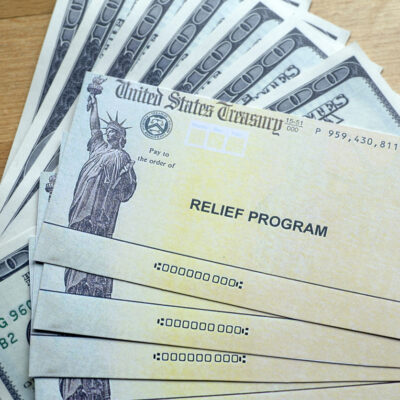
However, in Kwong v. United States, the Court of Federal Claims ruled that the disaster relief provisions should be determined based on a literal application of the statute and not on a discretionary interpretation by the IRS. Accordingly, certain penalties and interest assessed by the IRS that are attributable to any periods included in the January 20, 2020, to July 10, 2023, statutory relief period may have been improperly assessed. This includes penalties and interest attributable to the filing and payment of federal income, gift, estate, employment, and excise tax returns (including estimated tax payments), refund claims, or other additions to tax after January 20, 2020.
Based on the ruling in the Kwong decision, taxpayers that were assessed penalties and interest attributable to periods included in the January 20, 2020, to July 10, 2023, disaster relief period, should consider filing an abatement request for unpaid penalties or a refund claim for amounts for which payment was already made. The timing for filing an abatement request or refund claim will depend on the statute of limitations applicable to the underlying federal tax. Based on an application of general statute of limitations provisions, many of the filings must be submitted to the IRS before July 10, 2026, in order to be considered timely filed.
If you were assessed penalties and interest by the IRS during the disaster relief period, please contact your Whitley Penn tax advisor to review the factual situation regarding those assessments to determine if you may be eligible for relief and how Whitley Penn can assist you with this process.
Disclaimer: This tax alert is designed only to provide general information regarding its subject matter and should not be construed as tax, accounting, or legal advice to any specific person or entity. The statutes, authority, or other law discussed or cited in the alert are subject to change and Whitley Penn assumes no obligation to update the reader of any changes. Any advice or opinion regarding the application of the subject matter for a specific person or entity should be provided by a competent professional tax advisor based on the application of the appropriate law and authority to the facts and circumstances applicable to that person or entity.
Whitley Penn is continually monitoring tax and economic developments and will send out additional alerts in the future. In the interim, please contact your Whitley Penn tax advisor if you have any questions or require any additional information.