Water Relief It Is
An Update on Texas Produced Water Ownership
This is an update to an article from July 9, 2025. Click here to read that article.
March 31, 2026
By Buffie Campbell, Managing Director, Mineral Management
Last year, the oil and gas industry felt a wave of relief as the Texas Supreme Court provided guidance on produced water ownership. As someone who loves a good water pun, I too was aqua-wardly excited! Sea what I did there?
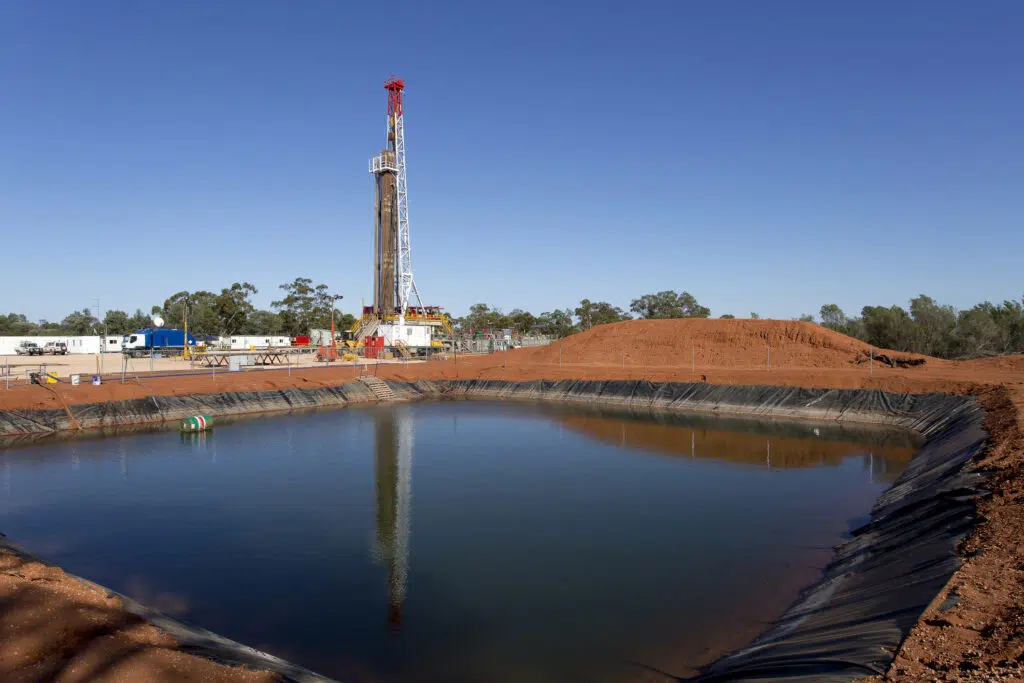
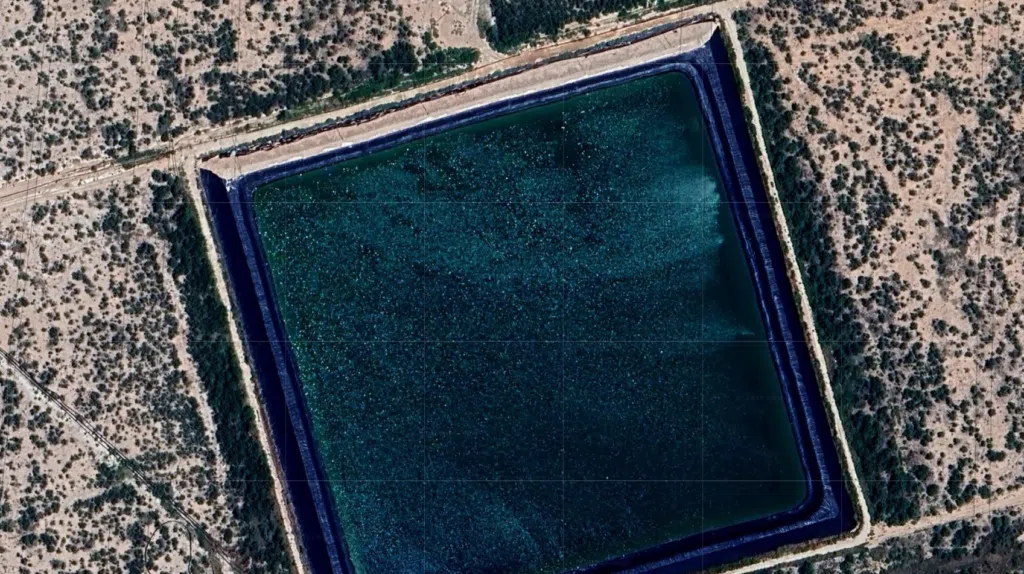
Produced water is the fluid byproduct brought back to the surface when an oil well is drilled and fractured. It generally has a high salinity and contains a mix of organic materials, suspended and dissolved solids, and drilling chemicals.
Let’s dive into the facts of the case first. COG Operating LLC (COG) held four leases covering approximately 37,000 acres in Reeves County, Texas. COG also acquired surface use and right-of-way agreements. The surface owner subsequently executed leases with Cactus Water Services LLC (Cactus) for the right to sell produced water from oil and gas wells on the property. COG sued arguing it owned the produced water by and through the terms in the leases, surface agreements and common law practice. Summary Judgment in the Reeves County District Court ruled in favor of COG. Cactus appealed to the Court of Appeals for the Eighth District of Texas (El Paso) who upheld the judgment stating that the produced water was “waste” with ownership falling to the mineral lessee. The Court of Appeals relied on the definition of “oil and gas waste” as defined in the Texas Natural Resources Code, the Texas Water Code, and by the Texas Railroad Commission, all of which include produced water. In addition, the RRC places liability for disposal of produced water on the operator.
The Texas Supreme Court rendered its Opinion in June 2025 in favor of COG, establishing that “produced water is…oil-and-gas waste” and that the textual silence in the leases is not unexpected as the production of liquid waste is an inevitable and unavoidable byproduct of operations. Stating that between produced water and drilling operations, “One cannot occur without the other.”
Let’s dive into the facts of the case first. COG Operating LLC (COG) held four leases covering approximately 37,000 acres in Reeves County, Texas. COG also acquired surface use and right-of-way agreements. The surface owner subsequently executed leases with Cactus Water Services LLC (Cactus) for the right to sell produced water from oil and gas wells on the property. COG sued arguing it owned the produced water by and through the terms in the leases, surface agreements and common law practice. Summary Judgment in the Reeves County District Court ruled in favor of COG. Cactus appealed to the Court of Appeals for the Eighth District of Texas (El Paso) who upheld the judgment stating that the produced water was “waste” with ownership falling to the mineral lessee. The Court of Appeals relied on the definition of “oil and gas waste” as defined in the Texas Natural Resources Code, the Texas Water Code, and by the Texas Railroad Commission, all of which include produced water. In addition, the RRC places liability for disposal of produced water on the operator.
The Texas Supreme Court rendered its Opinion in June 2025 in favor of COG, establishing that “produced water is…oil-and-gas waste” and that the textual silence in the leases is not unexpected as the production of liquid waste is an inevitable and unavoidable byproduct of operations. Stating that between produced water and drilling operations, “One cannot occur without the other.”
This decision ultimately provided clarity on an issue that had, historically, already been upheld by the industry as the operator’s liability. A differing Opinion could have turned rather salty in the event landowners were deemed responsible. The disposal cost for approximately 52,000,000 barrels (bbls) of produced water in this case alone cost COG over $20 million. That type of cost isn’t usually an option for landowners and would have required a considerable amount of contract re-negotiations across the State.
The Court did, however, leave open the matter of ownership for rare-earth minerals often found within the briny liquid. Lithium, strontium, barium and other critical minerals are naturally dissolved in produced water. While these minerals have received commercial attention over the years, lithium has become the priority frontrunner for reasons rooted in geopolitics, energy policy, and the accelerating electrification of the global economy. Lithium is the key item in lithium-ion batteries which power cell phones, golf carts, electric vehicles, and even pacemakers. Lithium has become such a huge part of our everyday lives that our social existence has become exceedingly reliant on it in a variety of ways.
With lithium trading around $23,000/ton, ownership of these rare-earth minerals is even more lucrative. The world’s lithium is primarily produced in Chile, China, Australia and Argentina; however, a 2022 study with United States Geological Survey and the Arkansas Department of Energy & Environment estimated that the produced water from oil, gas and bromine drilling operations in the Smackover Formation contained approximately 5,000 tons of dissolved lithium. With lithium being in short supply and currently only derived from a few countries, it is easy to see why determining ownership of produced water made such a splash within the industry. Perhaps Cactus was on to something after all, just contracted with the wrong party.
Connect with Buffie
Buffie is a licensed attorney in the states of Texas and North Dakota, as well as a Certified Professional Landman (CPL) who specializes in the Oil & Gas and Real Estate industries as they relate to Estate Planning, and title and contract law. Throughout her career, Buffie has managed assets for trusts, estates, foundations, charitable organizations, and agency accounts with real property and mineral interests throughout the United States.
Hover over Buffie’s headshot to view contact information, read her full bio, or connect on LinkedIn.
Connect with Buffie