Whitley Penn Talks: Building Purposeful Community with New Danville
Whitley Penn Talks: Building Purposeful Community with New Danville
02/19/2025
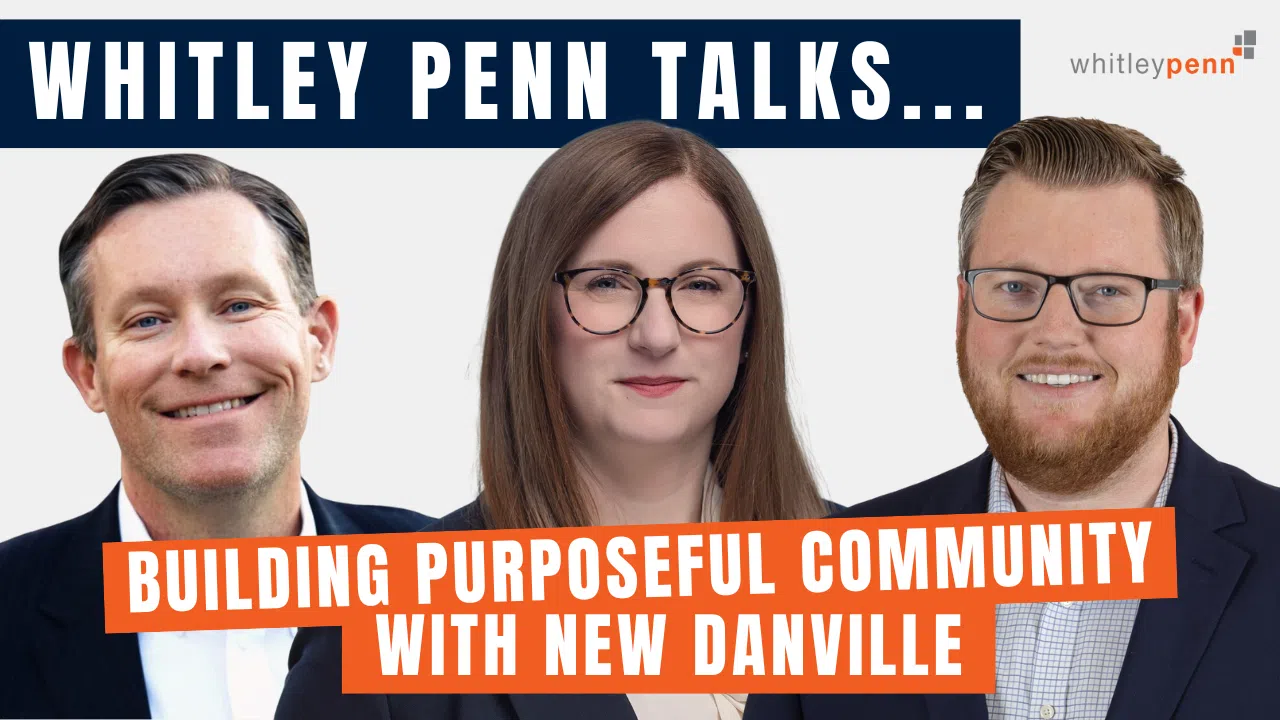
Adults with intellectual and developmental disabilities deserve a community where they can live, learn, and thrive. In this Whitley Penn Talks episode of our Whitley Penn Cares series, we introduce New Danville, a unique ranch style community in the Houston area that provides affordable housing, life skills training, and meaningful connection for adults who have aged out of the school system. From major campus expansion to a now famous chicken coop, this conversation highlights the impact of creating opportunity and independence with dignity.
Topics Discussed:
- How a napkin sketch turned into a thriving 42‑acre community for adults with intellectual disabilities
- A behind‑the‑scenes look at New Danville’s classes, animal programs, and stories of growing independence
- Why demand for these communities is rising and how the Whitley Penn Philanthropic Fund helps power these programs
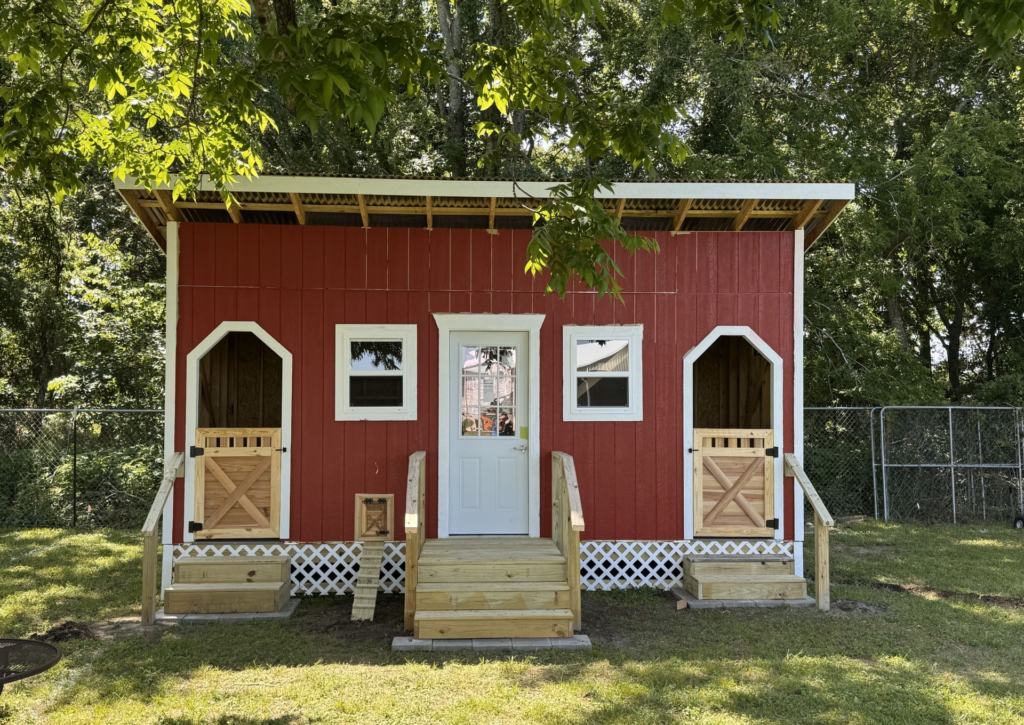
- The beloved chicken coop story that highlights creativity, joy, and community support
Listen to this episode on Spotify or Apple Podcasts. Click here to view the episode transcript.
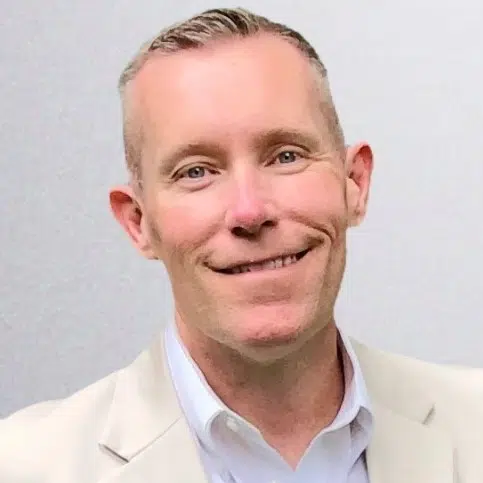
Mike Painter
CEO & President, New Danville
02/19/2025
Adults with intellectual and developmental disabilities deserve a community where they can live, learn, and thrive. In this Whitley Penn Talks episode of our Whitley Penn Cares series, we introduce New Danville, a unique ranch style community in the Houston area that provides affordable housing, life skills training, and meaningful connection for adults who have aged out of the school system. From major campus expansion to a now famous chicken coop, this conversation highlights the impact of creating opportunity and independence with dignity.
Topics Discussed:
- How a napkin sketch turned into a thriving 42‑acre community for adults with intellectual disabilities
- A behind‑the‑scenes look at New Danville’s classes, animal programs, and stories of growing independence
- Why demand for these communities is rising and how the Whitley Penn Philanthropic Fund helps power these programs
- The beloved chicken coop story that highlights creativity, joy, and community support
Listen to this episode on Spotify or Apple Podcasts. Click here to view the episode transcript.


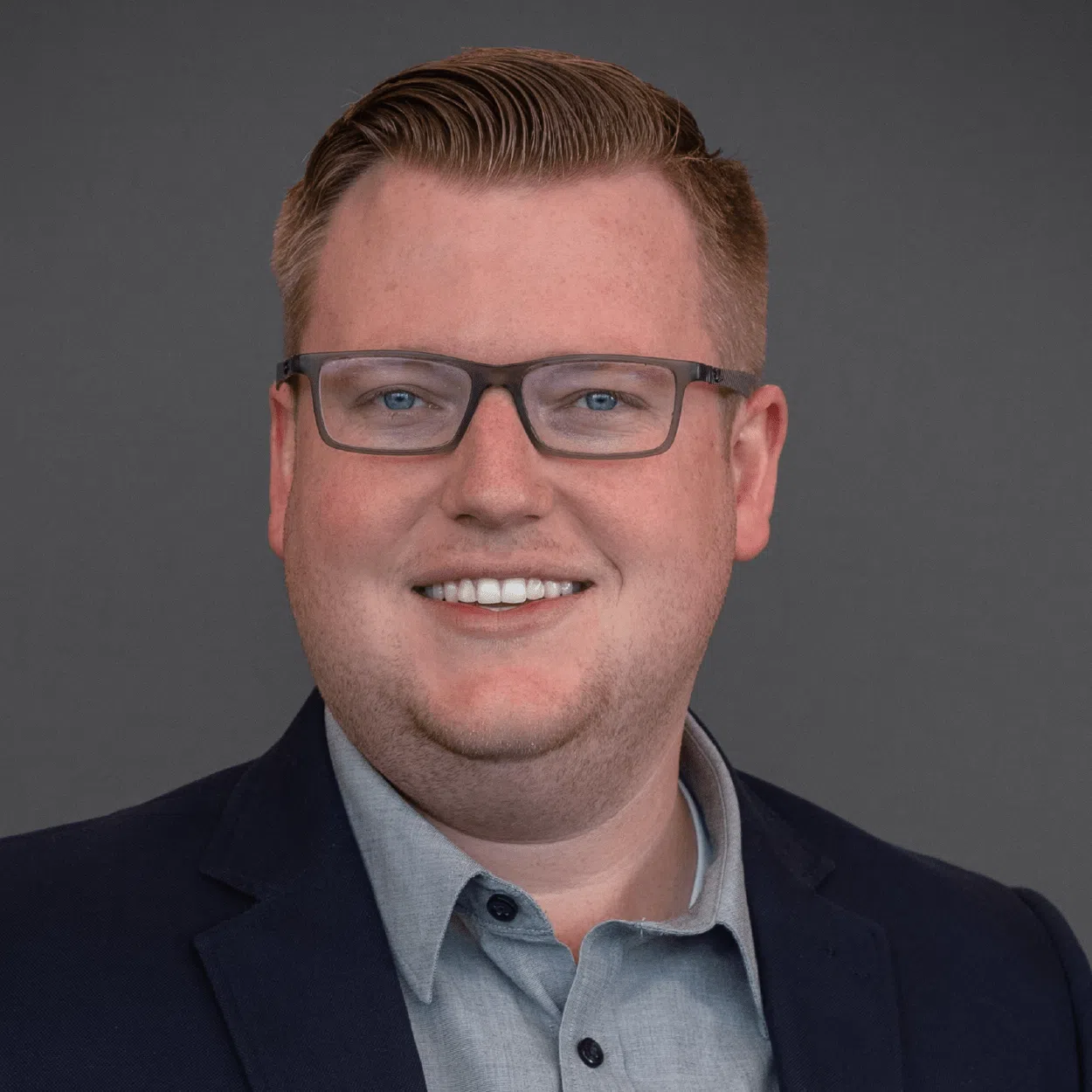
Mike Painter
CEO & President, New Danville
Jeremy Howard
Energy Accounting & Consulting Controller, Whitley Penn
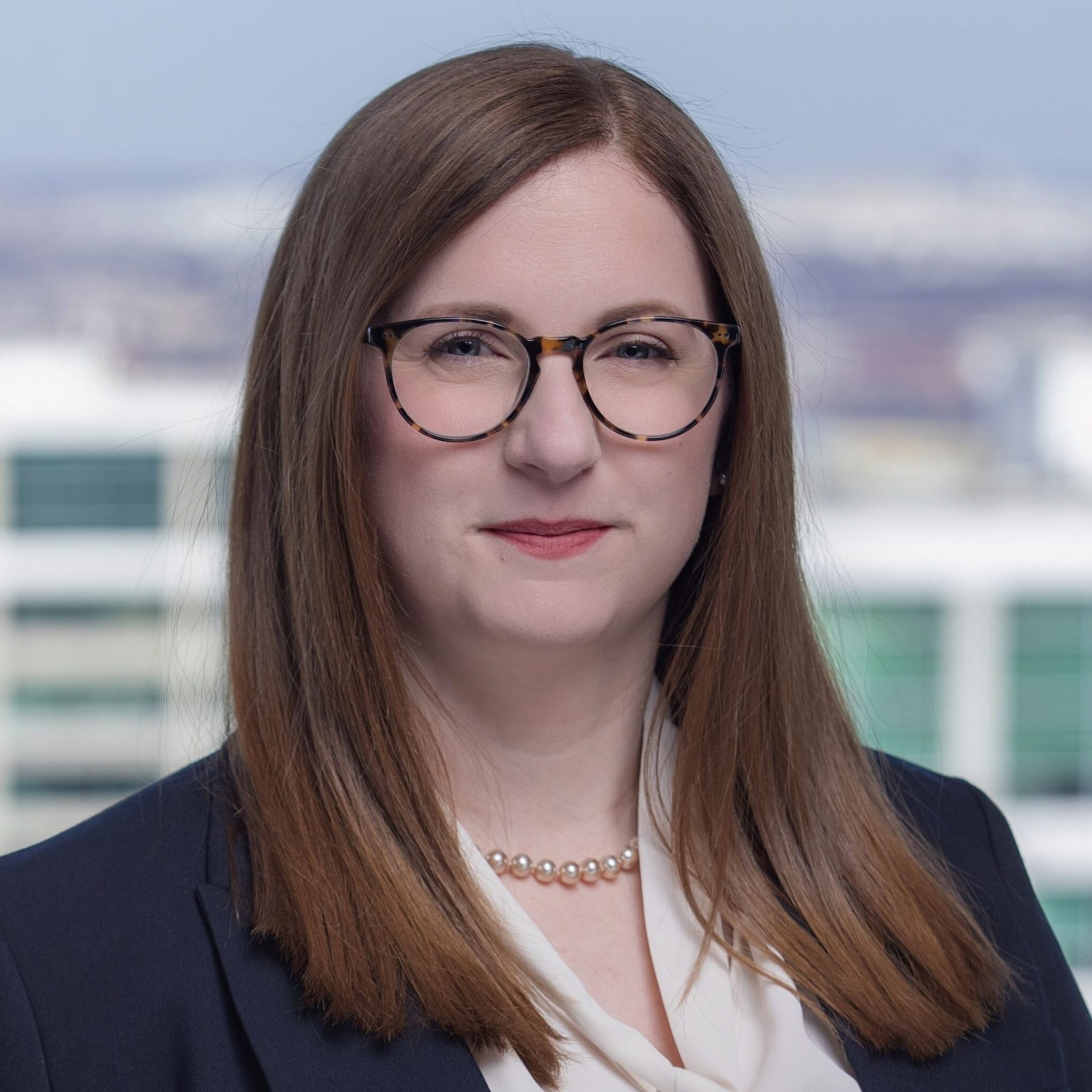
Emily Landry
Tax & CAAS Partner, Whitley Penn

Get new episodes straight to your inbox
Get new episodes straight to your inbox
You might also enjoy...
Episode Transcript
Emily Landry (00:00)
Hello everyone. Welcome to Whitley Penn Talks, where we give you valuable insight to help you make confident, informed decisions and move your business forward. My name is Emily Landry, host of our Whitley Penn CARES episode series. And today we are joined by some special guests from our second highlighted Whitley Penn Philanthropic Fund recipient. For those who don’t know, the mission of our fund is to cultivate a legacy of generosity amongst Whitley Penn partners and employees for community impact.
We support local initiatives, empower underserved populations, and foster sustainable growth in our neighborhoods. Today I’m sitting down with Mike Painter, the CEO and president of New Danville, and Jeremy Howard, a controller at Whitley Penn. So welcome to both of you gentlemen.
Mike Painter (02:41)
Thank you.
Jeremy Howard (02:42)
Thank you.
Emily Landry (02:44)
I am so thrilled to talk to you today, Mike. I would love for you to just start us off by telling us more about the organization. How did you start? How did you shape the community that you’re part of today?
Mike Painter (02:56)
So New Danville is a 42 acre ranch in a suburb of Houston, Texas that began 20 years ago by two parents of a special needs son. And New Danville caters directly to those with intellectual disabilities. So those on the autism spectrum, those with Down syndrome and various other intellectual disabilities. And we cater specifically to adults. So who have aged out of the school system. So our founder who ⁓ was Kathy Sanders was a mom of a special needs son. And she set out to build a community where folks with IDD could live together. They could work together. They could grow together, build friendships and relationships, and really just thrive in a safe environment.
That was Kathy’s goal from the beginning to also build this community for the underserved population that were struggling economically. So in Texas, there are a myriad of options. If you have a child with IDD who’s aging out of the public school system, there’s private facilities, there’s group home environments, and then there’s organizations like ours.
And in the private facilities, those are very expensive in Texas. They range anywhere from four to $6,000 a month to be a part of those programs. That’s not covered by insurance. It’s not paid for directly by any type of government benefits. So Kathy said when she started to build out the planning of New Danville, I want to build a place as awesome as those ⁓ organizations that cost $5,000, $6,000 a month, but I want to build it for the people that don’t have the money to pay for it. And she is a phenomenal lady. I’ve gotten to know Kathy very well since I started at New Danville, but I knew her already in the community because she was just a force.
I always say she’s a warrior mom because when she set out to do this, everyone told her no, and she literally drew up plans for New Danville, like on a cocktail napkin, like something out of a movie. And she took it around the community and she said, I need your help. You know, I wanna do this and I need your help. And so many people told her it would never happen and it was impossible and really discouraged her from trying to do this. And she just kept going and never took no for an answer.
Continued to build sort of community spirit for what she was trying to do. And she put together a great, amazing group of financial supporters in the beginning that helped her to purchase the land that we’re on right now. And to this day, 20 years later, we’re still following Cathy’s mission. And that’s to build this really broad, expansive program, but build it for the people that can’t afford those really expensive programs that are out there.
Emily Landry (06:17)
Wow. I love when someone has this dream and they just refuse to let it die. They’re just taking it around on a cocktail napkin, making people buy into it. This so fun. So Jeremy, I’d like to hear why you nominated them for a grant from the Philanthropic Fund.
Mike Painter (06:26)
⁓ That’s exactly right.
Jeremy Howard (06:38)
Yeah, so New Danville’s mission has been at the heart of our family for a long time now. You know, my sister has been in attendance in New Danville since she was out of high school, ⁓ almost out of high school. And so she’s been going to the day program for a long time. Then recently in the past, I think it was about a year ago, maybe a year and a half ago now, she was able to have the opportunity to start living full time at New Danville. And so New Danville not only has a day program for adult individuals, but they also have housing. They don’t have a ton of it and that’s something that they’re obviously working on and continuing to build on so that they can house more individuals but my sister, you know there’s a long waiting list, my parents were actually at the time moving out of state for my dad’s job and so you know Melanie got the call and they asked her they’re like Melanie would you like to go and live at New Danville and she said yes and so you know it was a big jump for my parents. ⁓
You know, always having her at home, right? But the mission that New Danville has built, right, you know, to see my sister go to build relationships with those that are like her, right, to gain valuable knowledge both personably but also valuable life skills, right? New Danville is a place to live, work, learn and thrive right as my dad will put it. ⁓
Being able to live independently for Melanie, New Danville is the ones who shaped that. And so the mission that they put forth to individuals like my sister and to many of our friends who have ⁓ individuals with intellectual disabilities, that is the reason I nominated them because I want to continue to see them grow and be able to reach more just in the Houston community, right? There’s a ton more that they could serve.
Emily Landry (08:32)
That’s great. think so many of our nonprofits do such a great job of connecting community, to have one that started with maybe a little bit smaller vision for what the community would look like and has then gotten to expand it and create this place for everyone to live together. And like you said, maybe it’s going to continue to grow where more and more people can live there. I’m sure Mike’s welcoming any donations that want to come through to continue that mission.
Mike Painter (08:58)
We certainly are. We’re in the midst right now of a massive expansion of our residential program. We’re going from 36 residents to 92 over the next year. So ⁓ it’s a really, really exciting time for us. But just to kind of give you an idea of what that need looks like, ⁓ because we do this so affordably for families that have economic needs. We have over 200 people on our waiting list to live at New Danville. So, and I’ve been at New Danville for about two and a half years as a CEO. And when I started there, there were 60 on that waiting list and now we’re over 200. So the need is certainly growing every single day.
Emily Landry (09:51)
Mmm.
Jeremy Howard (09:52)
And the residents there build such a community together, you know, they rally behind each other. There was a huge power outage, right? And so they just rally together to help each other, right? And so having that community that lives together, right, ⁓ I think just fosters more and more growth amongst them, right, and allows them to be themselves.
Emily Landry (10:12)
That’s awesome. So we’ve talked a bit about the resident program. Are there any other programs you’d like to highlight Mike? I heard something about maybe a chicken coop being built.
Mike Painter (10:25)
So we’re on a ranch, as I said, we’ve got 42 acres and animals are a big part of our program. So we have agriculture classes, we have animal therapy classes, we have small and animal care classes where we teach responsibility and accountability and those types of things with animals. But just to touch on this chicken care, because it’s something to see. So we got…
I love talking about it too, because it’s just fantastic. I don’t know if Jeremy’s seen it yet. So we have, we got a grant to purchase the materials to build a chicken coop. And ⁓ it was quite a bit of money and it was plenty for us to, you know, build a nice chicken coop. Well, ⁓ the church that I attend in the Woodlands, Texas, the Texas ⁓ Methodist Church there, I’m sorry, the Woodlands Methodist Church there.
They have this group of older gentlemen and they call themselves the Geezer Squad, okay? And for free, they go out into the community, they’re retired, and they do these little building projects all over the place. So we reached out to the Geezer Squad and we said, hey, we’ve got the money to buy the materials, can you guys help us build a chicken coop? And they said, we’ll build you a chicken coop like you’ve never seen before. So we call it the Tajma Chicken Coop.
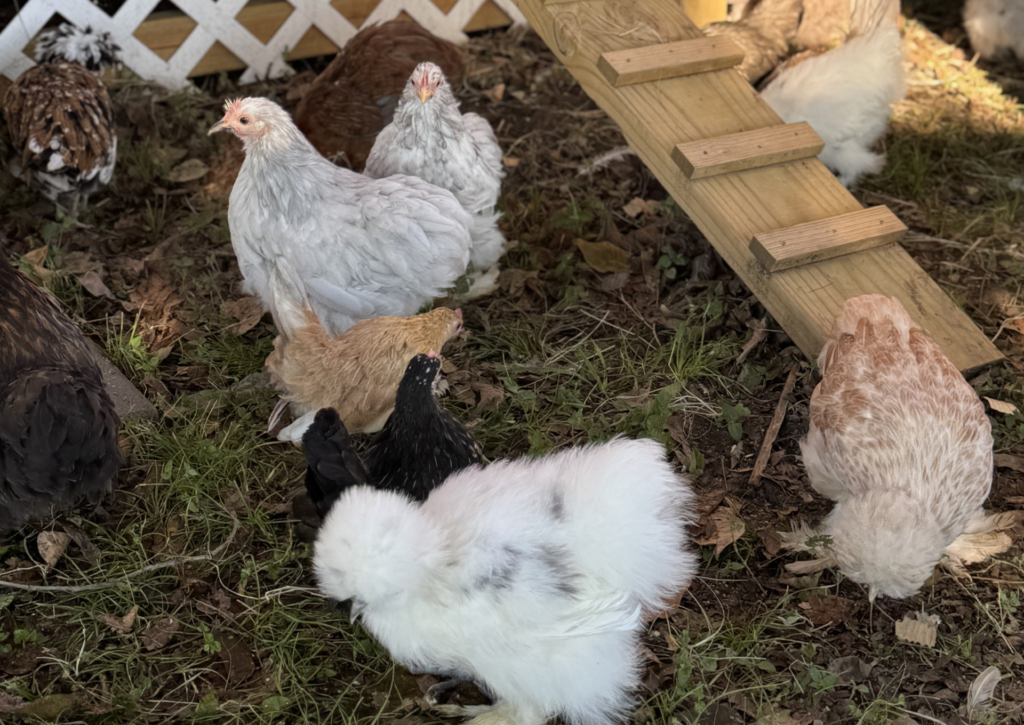
Um, because it is a mansion for, for chickens. Um, it’s, and after the podcast, I’ll have to send you a photo of it because it’s, it’s beautiful. And then, uh, we had someone else who chipped in to help us actually buy, um, chickens. So we right now have 20 exotic, what I call Martha Stewart chickens, um, the kind that appear on social media with like the big headdresses and the elaborate feathers. Yes. So ⁓ it’s like a chicken show at New Danville right now. And those that we serve, we affectionately refer to as Wranglers because we’re on a ranch. And ⁓ the Wranglers could not be more excited. ⁓ But what I learned about this, because I was not a chicken guy before this, was that ⁓ in order for them to, the chickens to acclimate well with the wranglers, when we got them as hatchlings, they needed to be held often, so that they would ⁓ be gentle with the wranglers. So ⁓ all of us, our entire executive team over the past few weeks has spent precious time holding a chicken in their lap while trying to do things.
There’s a great photograph that exists right now of our executive meeting where we’re all sitting around a conference table and everyone has a chicken in their lap. ⁓
Emily Landry (13:19)
We’ll welcome any of the pictures you want to send. I know for sure Sydney will want to post probably the picture of the chicken coop when we release the podcast or the Taj Mahal of chicken coops.
Mike Painter (13:22)
It is very impressive. So the animals are really just a part of our day program. So our day program operates much like a college campus. So we have 125 folks that attend our day program. And we operate on a trimester system. And in any given week, we have 130 classes on our campus. These are very small classes, as you might imagine, and they range from all sorts of ability levels. We have foreign language classes and history classes and graphic design classes for the higher functioning individuals. And then for the lower functioning individuals, we have things as simple as socialization exercises where they gather around a table and build Legos and play board games and things like that. So they work on communication skills. But it also is a huge part of our day program, which Jeremy mentioned earlier that Melanie progressed through very quickly. We have a lot of life skills training on our campus. So everything from learning independent living skills, like how do you do laundry and how do you take care of home? How do you take care of a pet? All the way up to some pretty elaborate cooking and baking classes. ⁓ And actually the cooking class is one of my favorite things that we do because it’s so unique. I wish I could take credit for designing it, but it was actually our instructors that were the brain children behind putting this together. But ⁓ every day on our class, we have a three hour cooking class where the class comes together and they decide as a group socially what it is they’re going to make lunch that day, they sit down, they look for recipe books. There’s also some guidance on nutrition and healthy eating that we sneak in there, right? And then they’re given a budget where we give them actual money. We load them up onto the buses. They go to A2B, which is a local grocery store in Willis, and they go in themselves and buy the groceries that they need.
The staff usually knows that we’re coming and they’re very good about helping them and answering questions for them. And then they come back to campus, they cook that lunch, they all sit down together and enjoy the lunch, the ones in the class, and then they all clean up the mess. And that’s a three hour process that happens every day on our campus.
And one of the wonderful success stories of that is a young man named Robert Egli, who’s been with our program for about 14 years. Jeremy, you probably met Robert if you’ve been out on campus. Robert now, on every Thursday night in his apartment, hosts family dinners. And his family comes up, they have dinner with him, and he cooks dinner for them. And if you listen to his mom talk about that, that was something that she never even envisioned as a possible dream or a possible scenario that Robert would be hosting family dinners at his house. ⁓ But it happens every week on our campus.
Emily Landry (16:47)
Mmm.
That’s so neat.
Jeremy Howard (17:00)
Yeah. And it’s a lot of, ⁓ you know, day to day activities, right. That you and I do that we take for granted. ⁓ that’s what New Danville is doing to help teach those individuals, you know, like he pointed out how to cook, ⁓ for Melanie, right. was how to do laundry, right. How to clean her room, how, you know, how to, ⁓ pick healthy groceries at the grocery store, though that’s probably still an issue.
Mike Painter (17:18)
Hmm.
Emily Landry (17:27)
I think that’s an issue for all of us a little bit.
Mike Painter (17:28)
Yeah.
Jeremy Howard (17:30)
But ⁓ it’s those valuable life skills, right, that ⁓ we all use every day and take for granted, that New Danville is helping to educate those. And it’s been a huge part ⁓ and help for Melanie Wright and I’m sure for many, many others.
Emily Landry (17:33)
Mm-hmm.
Mike Painter (17:46)
Jeremy, I’ll tell on Melanie for a second. You might not have heard this story yet, but Melanie and a young man that she’s good friends with, they go out for walks on the ranch all the time. And we encourage kind of healthy lifestyle and get out moving. And they’ve even started running on campus and going for runs. ⁓
Our development director stopped the other day because they were out for a run on campus. And she said, it’s so great to see you guys ⁓ exercising. And Melanie pulls up and she’s got a bag of cookies in her hand. And she goes, exercising is so much better with cookies. Genius, right?
Jeremy Howard (18:27)
That sounds like Melanie.
Emily Landry (18:30)
Sounds like my kind of gal.
Jeremy Howard (18:32)
Yeah. exactly, it is better with cookies. I would like that too. That’s hilarious.
Emily Landry (18:41)
So, I want to talk about how you are going to plan to spend the funds that you received from the philanthropic fund or maybe you’ve already spent them and you can give us an update.
Mike Painter (18:50)
Well, so one of the unique things about our program and I have an opportunity because I’ve gotten to speak at a lot of national conferences with organizations that do things like this. And our budget is very unique. So if you go back to when I was talking about Kathy Sanders original mission, it was to build a place for people that couldn’t afford the expensive places. And that was the part that everybody told Kathy was impossible, right? Everyone told her, you’ve got to charge hefty fees in order to be able to support the place. It’s just not going to work, you know, everybody told her that. And 20 years later, we still have a budget that is community supported 80 % of our budget. The fees that we charge make up 20 % of our budget.
Emily Landry (19:43)
Wow.
Mike Painter (19:49)
And when I’m out visiting with other organizations that do the work that we do, almost all of them have a budget that is the flip of that, where the fees that they charge their participants make up 80 % of their budget, and then they rely on the community for the other 20%. And when I tell people that our community locally is supporting 80 % of our $3.2 million budget, they are surprised and astounded and they want me to teach them how to do that. You know, because that’s not normal. And all the money that comes to us ⁓ from all types of grants and general donations, and we have several events each year where we do large scale fundraising events, all of those funds go into two places.
General operating funds which support the scholarships that support all the people that are part of our program. Many, many of the participants in our program pay nothing to be a part of our program. And those funds go directly to support individuals like them. And then other funds that we’re raising go towards the expansion project that I touched on earlier, which is a huge part of us to continue to grow and to continue to support the need that exists. Maybe we’ll buy another chicken with the money and name it after the company. How about that?
Emily Landry (21:25)
Hahaha!
Jeremy Howard (21:28)
No exactly. And Mike, part of that expansion program, is to have an assisted living quarters, is that right?
Mike Painter (21:34)
Yes, yes. So we have a three phase expansion plan right now that we refer to as Vision 2025. Anyone who goes to the New Danville’s website, you can see the full plans that are out there on how we’re expanding. And the first phase of that expansion is the residential part, because that’s where the greatest need is right now in our community, where we are currently building 14 new residential buildings on our campus. Phase two of that expansion plan is the expansion of our day program because it too is now on a waiting list situation. So we’re capped at 125 folks right now simply based on the classroom space that we have on our campus.
And with additional funding and expansion in that area, we’ll be able to expand that program up to 200 people. And then the third phase of that program is actually the inclusion of assisted living facility on our campus that will allow those that are residents on our campus when they age out or health condition wise can no longer take care of themselves in an independent way, they’ll be able to stay on our campus for the rest of their lives. The one of the things that we’re doing to kind of bridge the gap between phase one and phase three is that with all the new residences that we’re building, we’re building what’s called agent place housing, which allows for assisted living services to be brought into those units. So they’re specifically designed ADA compliant and all kinds of things that were kind of built into those designs to make sure that if phase three wasn’t ready and we have somebody who’s aging out of phase one or has health conditions or disabilities that don’t allow them to stay in phase one, that we have the room within those residences to bring in outside help if that’s what they prefer to do.
Jeremy Howard (23:43)
Wonderful.
Emily Landry (23:44)
That’s amazing. So sweet. So Jeremy, what do you wish more people knew either about New Danville or the philanthropic fund?
Jeremy Howard (23:54)
Yeah, so I just call on all of our colleagues here at Whitley Penn, right, to make sure that they read up on who we’re donating these funds to, but not only that, but to nominate their own organizations, right. New Danville is a shining example of one that, ⁓ you know, continues to do amazing work, right. But there’s so many other organizations, right, that could use the funds for many different growth activities or ongoing operations, right. And so, I hope that.
All of our colleagues here, whether they’re involved in a nonprofit organization or they want to get involved, they continue to, you know, look in their community for opportunities and nominate those ⁓ organizations for the philanthropic fund. ⁓ New Danville, right? It sounds like there’s not a scarcity of knowledge about New Danville considering the wait list. But I’m sure there’s many parents out there, right, that have siblings or that have ⁓ children with intellectual disabilities that don’t know about New Danville and they’re starting to worry, you know, maybe after high school what, you know, what’s a program they could get involved in and so, yeah, just having that outreach for the younger generation right to know that New Danville is there ⁓ and that there’s an opportunity for them outside of or after high school rather. ⁓
Mike Painter (25:11)
Yeah, absolutely.
Emily Landry (25:14)
⁓ Love it. So Mike, our listeners are interested, how could they get involved with you?
Mike Painter (25:22)
So if for local listeners that live in the Houston Metro area, there’s several ways they can get involved. We accept volunteers on our campus. ⁓ We have a couple of fun volunteer programs where we either allow volunteer groups to come out, like in large form and do, for instance, a day long service project on our campus.
But then we also have a space reserved for individual volunteers, which we call guest stars. And that can be anybody with any type of special skill ⁓ that they would love to come and spend some time teaching our Wranglers. And we invite them directly into our classrooms and they can come and teach. We’ve had artists come in, we’ve had fitness folks come in, we’ve had all kinds of options to come in ⁓ and just work directly with the curriculum that we provide. ⁓ For volunteers that are interested, they can reach out directly to us and talk to one of our programs team. And usually the way that works is we send them a copy of our class schedule and say, you know, if you want to come out as an individual, let us know where you fit into this world, right? ⁓ And these guys love to learn more than anything else. They love to learn something new.
And they’re so excited when anyone in the outside community shares time and interest with them, right? Who is willing to come on our campus and share a skill. We ⁓ currently have a podcast. Wranglers are doing their own podcast now. ⁓ And we’ve had some people come in and visit with them about that.
Everything you can imagine is being offered almost as a classroom experience at New Danville. So there’s all types of opportunities. And then for those that are also in the Houston area, we have two large fundraising events every year. We do one in the spring. It’s called Spring Thing. It’s a luncheon that takes place in April every year. ⁓
That’s where Wranglers work on our campus throughout the year, making products. And we actually stage a marketplace. The flag you see behind me was actually made by some Wranglers at New Danville. And they make products and we bring and we have this marketplace. And then we also have this awesome dinner and lunch, I’m sorry, and as a part of the lunch, we have the Wranglers there and we show them off and we have fun with them and everybody has a fantastic ⁓ experience with them. And then every year in the fall, we have a golf tournament. That’s a big fundraising event for us. This year, it’s Monday, September 29th. And it’s typically in September every year. There’s opportunities to volunteer with both of those events. And then there’s many opportunities to be participants in those events and attend those events to help us raise money for them.
But the biggest thing that I always ask of folks who say, can we help? I always just say, be our advocate. That’s the best thing you can do for us, like Jeremy did by nominating us for this grant, by sharing one of our posts on social media and say, look at this organization and the great work that they’re doing. ⁓ That is the most powerful way to help us because…
When someone puts out a good message about our organization to other people in their own community, those are folks that we typically aren’t reaching. And that’s wonderful for them to know about us, to know about the options that we have on our campus and the good work that our staff is doing now.
Emily Landry (29:15)
Those are all really great options and for our team, just as a reminder, you do have volunteer hours you get to use every year as part of the Whitley Penn handbook. So it could be a really great option if you want to partner up with Jeremy. I’m sure he would love to spend his volunteer hours there and get to show you around and maybe take you on a run with some cookies too. Who knows? We’ll see.
Mike Painter (29:37)
Yeah. I might join you.
Jeremy Howard (29:38)
Yeah.
Emily Landry (29:43)
Thank you both for coming on the podcast and sharing more about New Danville. I’m so pleased that you were one of our inaugural recipients of the Whitley Penn Philanthropic Fund grants and I’m just really grateful for your time here today.
Mike Painter (29:58)
Thank you so much.
Jeremy Howard (29:59)
Thank you, Emily.
Emily Landry (30:01)
So for those listening, you enjoyed today’s episode, please be sure to subscribe on YouTube, Spotify, Apple, or listen right on our website at WhitleyPenn.com slash podcasts. Thank you again, Mike and Jeremy, and I hope you have a wonderful rest of your day.
Mike Painter (30:15)
Thank you, Emily. Thank you, Jeremy.
Jeremy Howard (30:16)
Thank you.